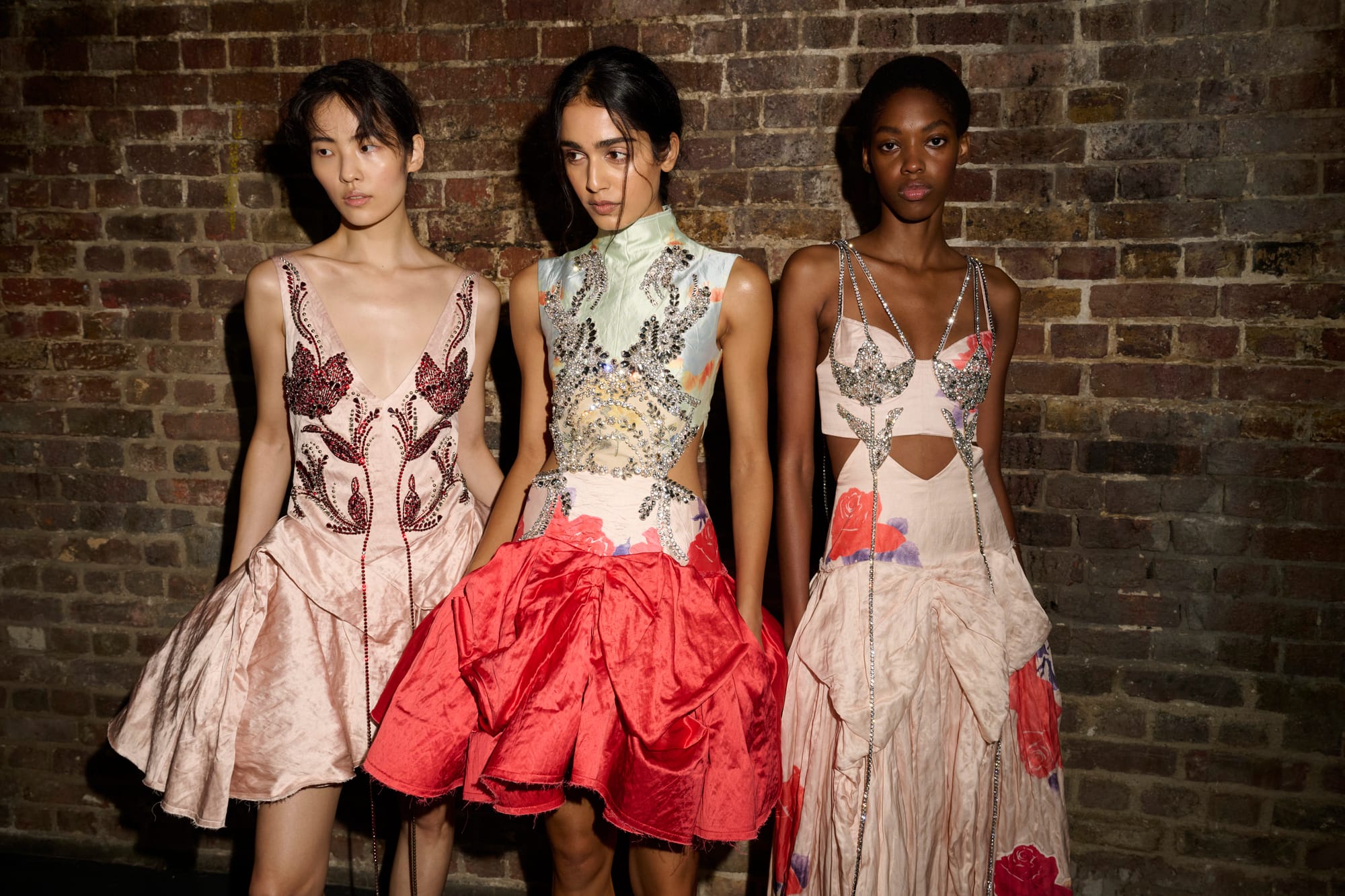
Last year, things weren’t looking great for the British Fashion Council (BFC). As the official body of the London Fashion Week announced the cancellation of the standalone menswear fashion week – which once saw forward-thinkers such as Grace Wales Bonner and JW Anderson draw in the fashion industry elite – it seemed to press pause on any revival of Cool Britannia.
And yet, cut adrift from Europe, London’s reputation as the island of fashion dreams, young talent and, importantly, highly exportable ideas, presently gives it a soft power like no other.
Currently the UK’s precious jewel isn’t only a monarchy that generates front-page news but also its legacy to supply a pipeline of British creative talent to Paris and beyond. And it has never been so pulsating. Treading in the footsteps of John Galliano, Alexander McQueen and Ian Griffiths, who began the trend for gritty Brits taking on Paris and Milan, a new generation recently took up residency: Sarah Burton at Givenchy, Jonathan Anderson at Dior and Louise Trotter at Bottega Veneta. Meanwhile, waiting in the wings are designers such as Simone Rocha and Steven Stokey-Daley. These could easily be the next fashion star, but it could just as well be an unknown name about to start at Central Saint Martins in September.

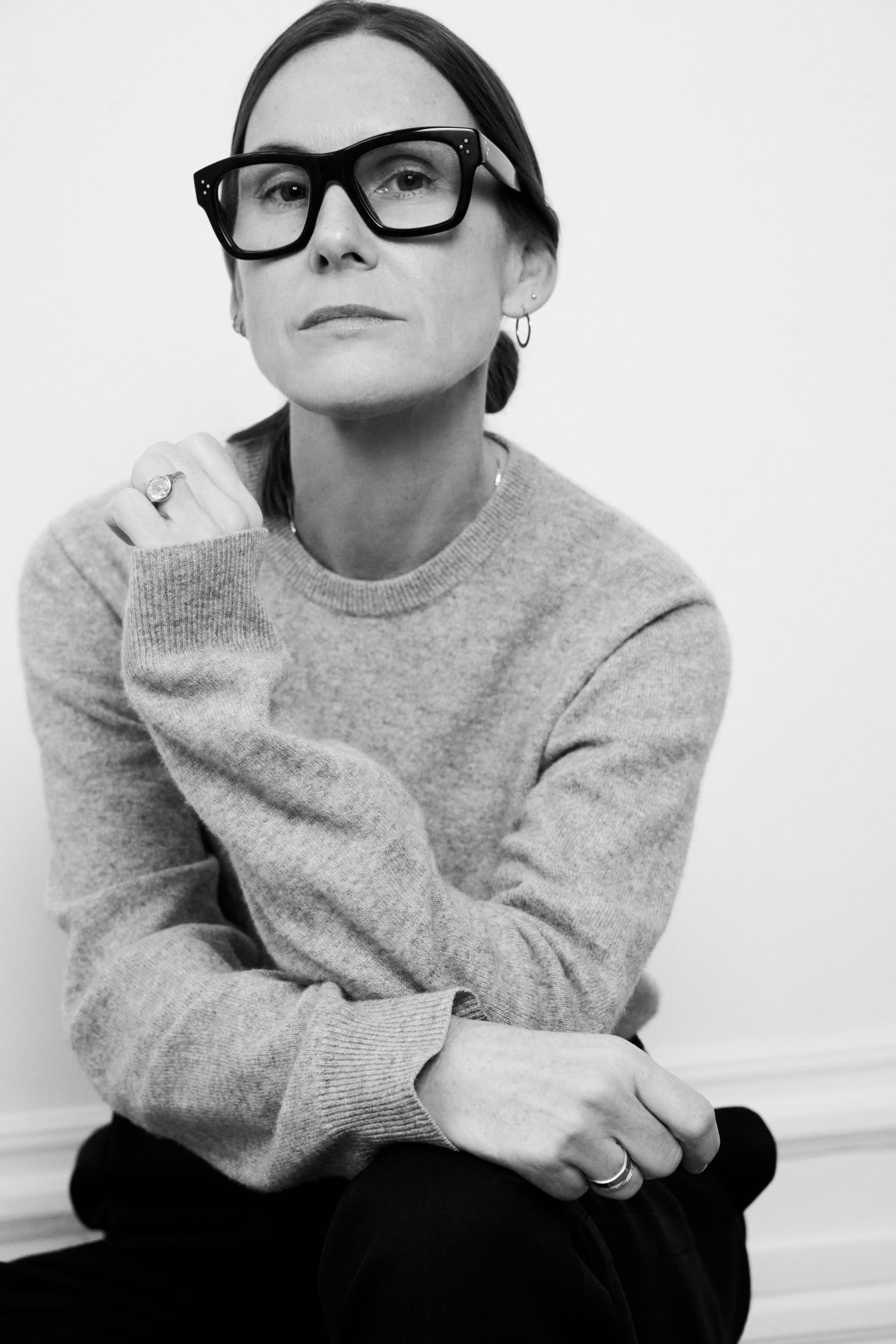
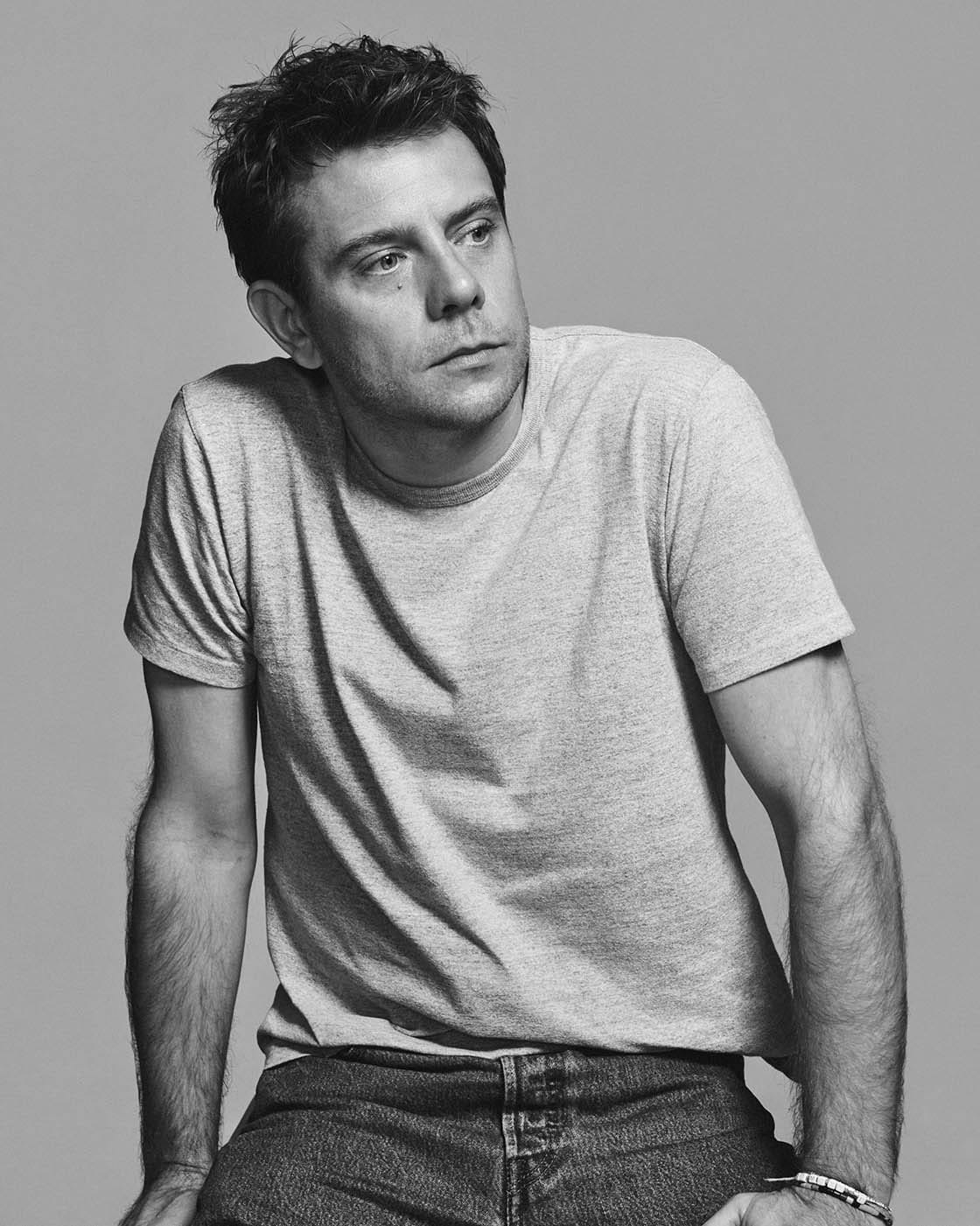
Sarah Burton, Louise Trotter and Jonathan Anderson. Images: Courtesy of BFC, jwanderson.com
Being schooled at a British university in fashion allows London to punch above its weight, but this isn’t the only weapon being used by incoming BFC CEO Laura Weir, the executive creative director of Selfridges and former Vogue editor, who claims now is a “pivotal time for the British fashion industry”. Weir announced her three-pronged plan to champion sustainable practice, channel diversity and address recognition of the power of British culture as an export when she took over the BFC helm in January 2025.
“Across the UK, more young people are educated in the arts—fashion, music—than in any other country I know,” stated Lynne Franks, iconic PR maven and founder of London Fashion Week. “It shaped the culture in the 1960s and continues today.” Connecting the importance of British talent— like global chart-toppers Charli XCX, Lola Young, Jade Thirlwall and Jorja Smith, as well as actors and artists — to fashion is something the late Vivienne Westwood did so effortlessly.
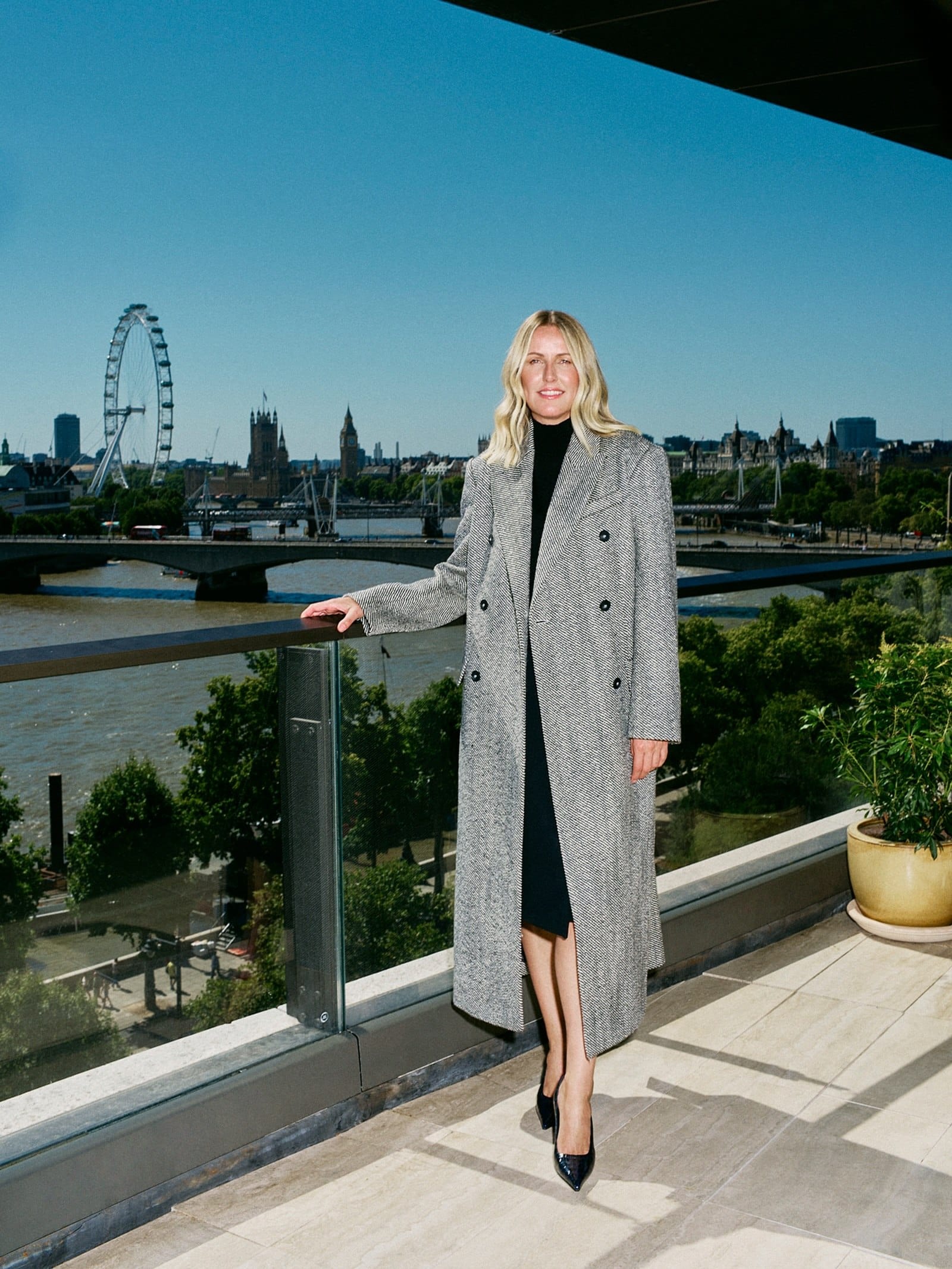
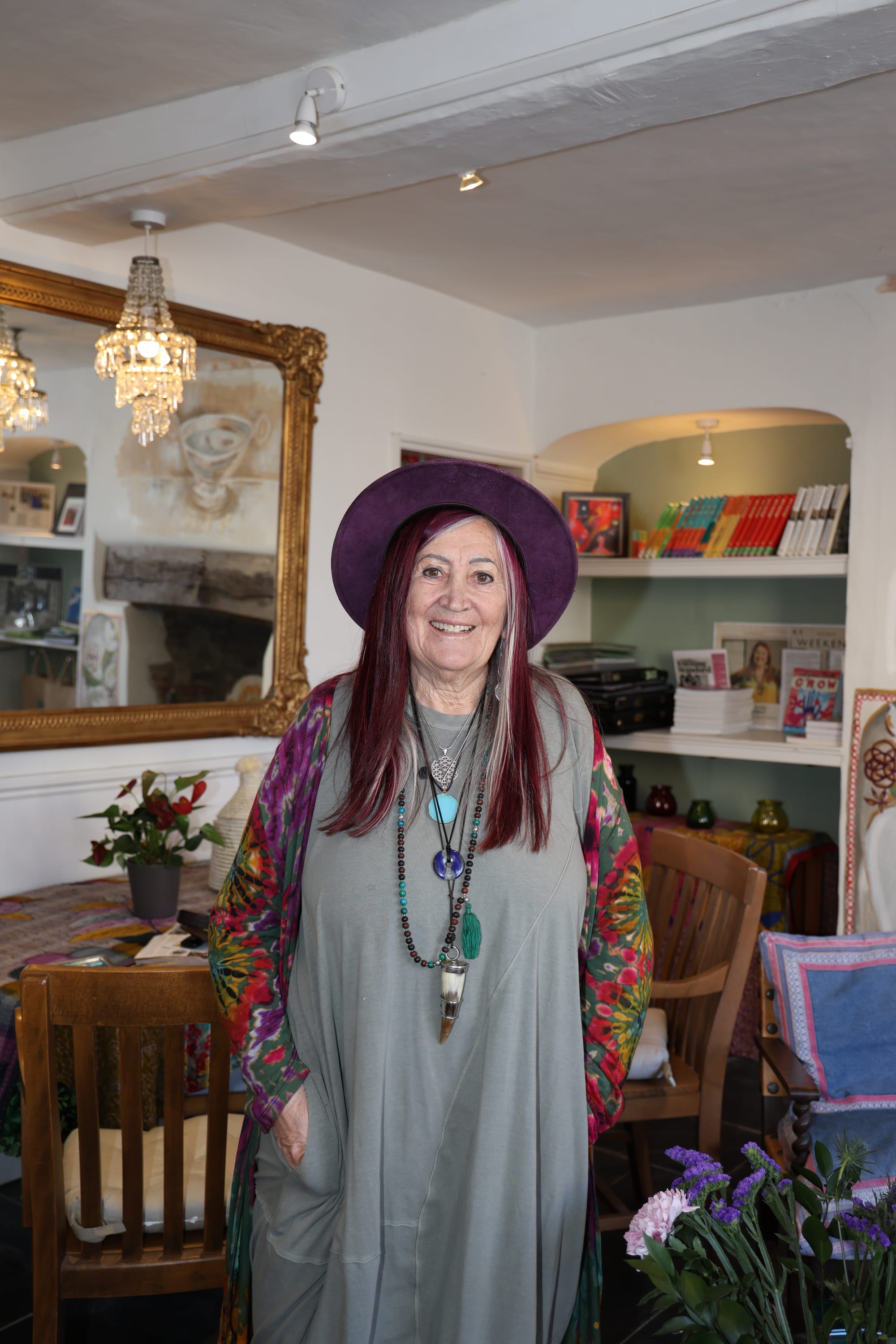
Laura Weir, CEO of British Fashion Council | Lynne Fransk, Founder of London Fashion Week. Laura's image: Joshua Tarn, instagram.com/laura_weir | Lynne's image: Gulfiya Yebergenova
Since Brexit in 2020, it's been tough. Many brands have uprooted/migrated following cumbersome customs procedures, visa complications and logistical barriers set out in new rules. The UK fashion industry has suffered a 60% drop in EU exports according to The Guardian.
In recent years, some modest governmental measures have been introduced, such as discussions around improving export support for creative SMEs and simplifying visa processes for skilled workers in the arts. However, many industry figures argue that a cohesive fashion strategy—similar to what France and Italy offer—remains absent. Calls for policy change include reinstating tax-free shopping for international visitors (a disastrous move post-Brexit), enhancing grants for emerging designers, and promoting UK fashion in overseas markets. Without one unified vision, London’s fashion industry remains vulnerable to global shifts and domestic instability.
British fashion hopes remain high with its homegrown luxury brand Burberry; despite recent job cuts, the creative directorship of Daniel Lee sees it return to its roots. Lee used British lifestyle and culture, including the “great Friday-night exodus from London to the countryside for long rainy walks and to connect to the great outdoors", to reference his Autumn/Winter 2025 catwalk. There was nothing subtle about Burberry’s decision to reinstate their knight emblem as brand logo, which delivered a $362 thousand spike in social media according to industry influencer site Lefty. The integrated marketing strategy saw the knight virtually and digitally animated, meme-ified and personified into shining armour photographed alongside Anna Wintour wearing her signature dark sunglasses. As the digital conversation surged, Burberry amassed $11.1 million in EMV (Earned Media Value)—an 83% season-on-season increase—accounting for nearly half of London Fashion Week’s AW25 total digital value.
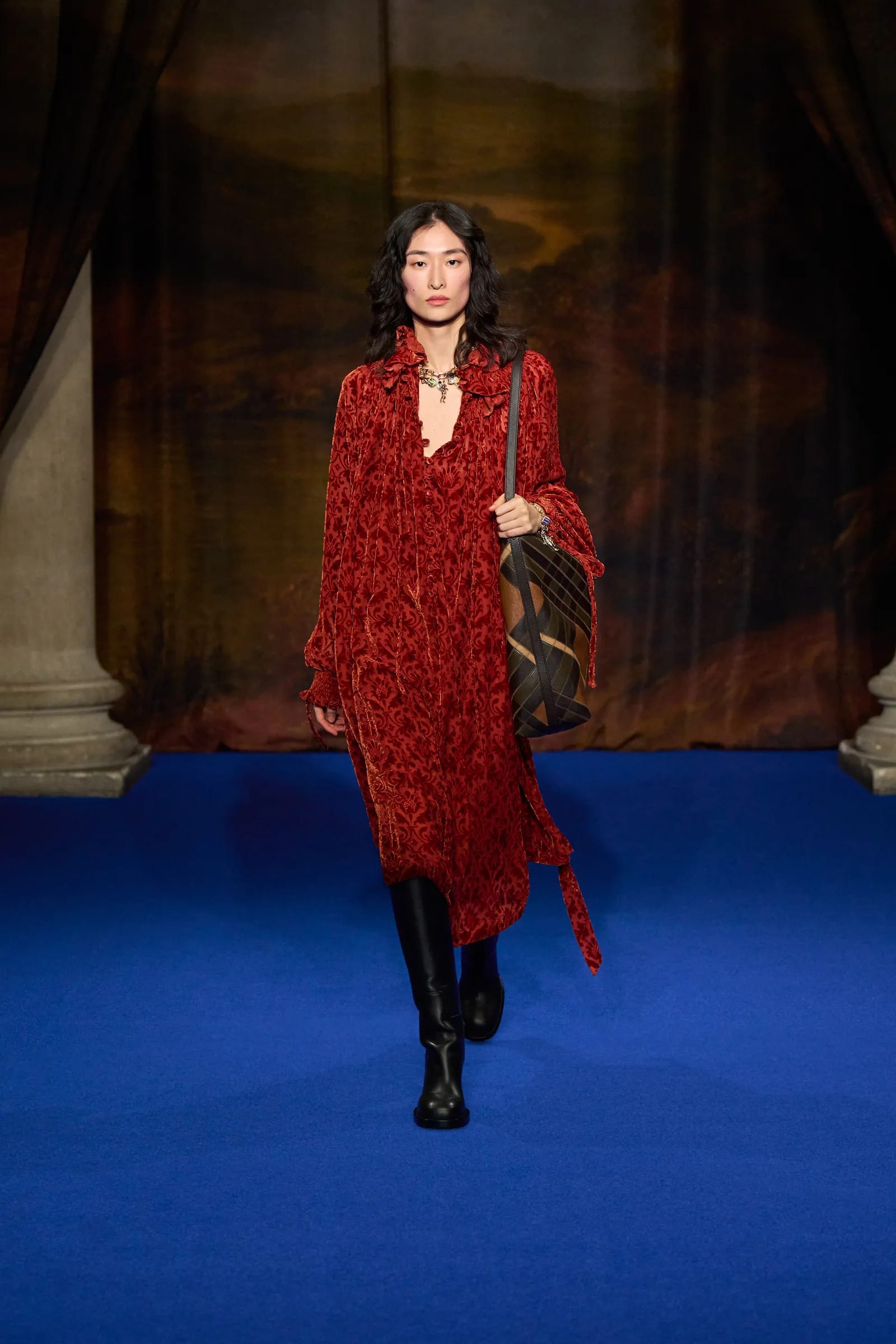
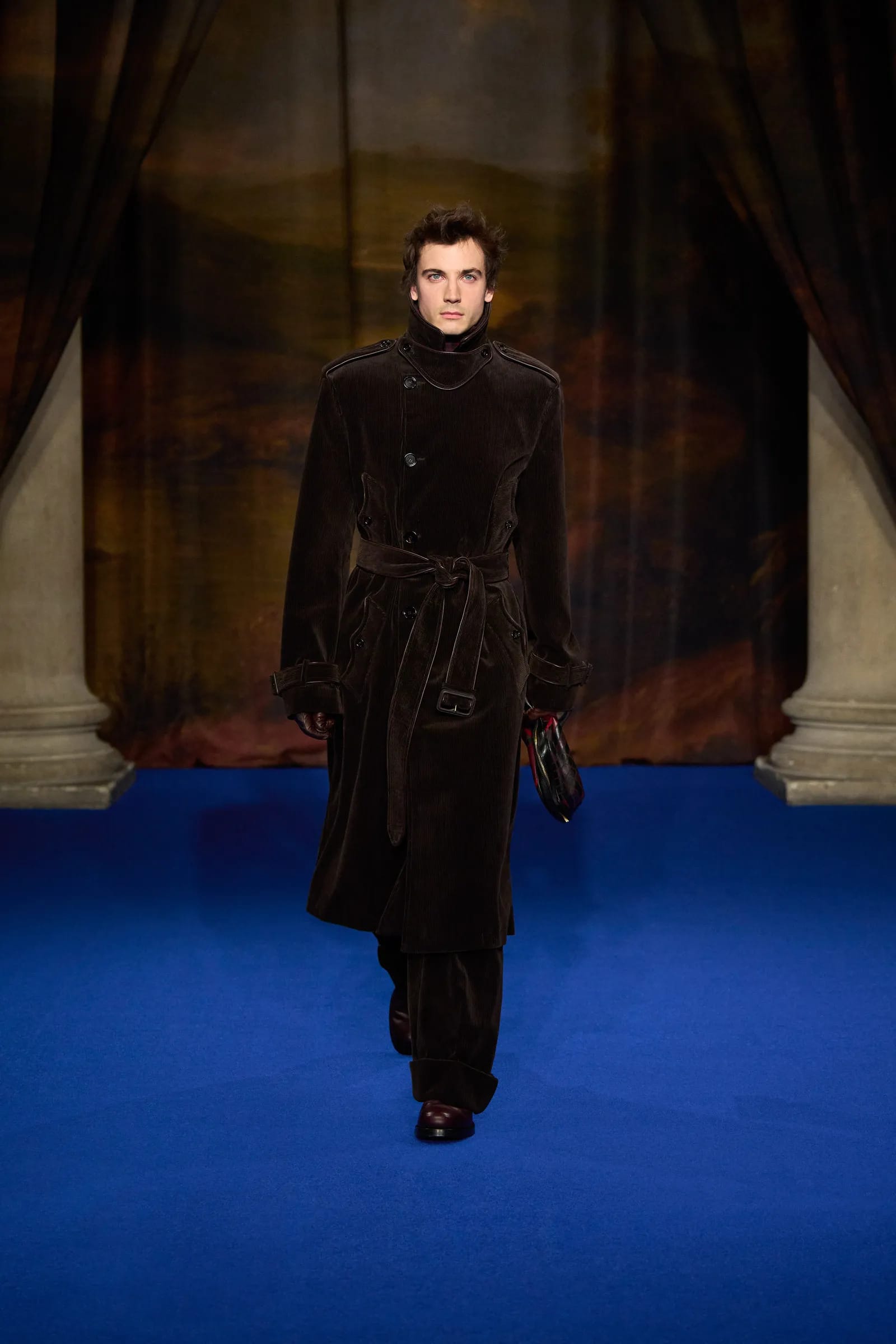
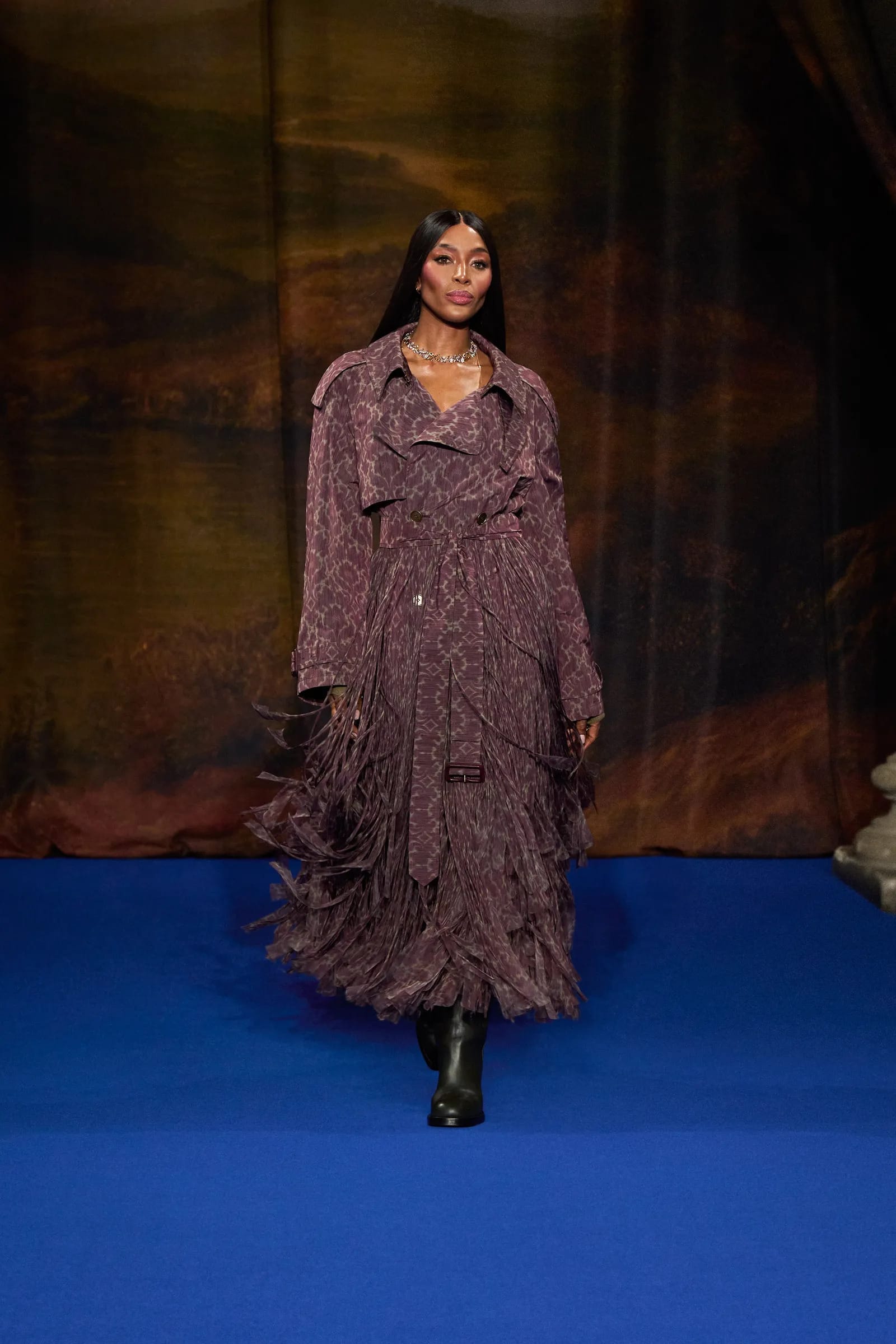
Burberry AW25. Images : Courtesy of Burberry


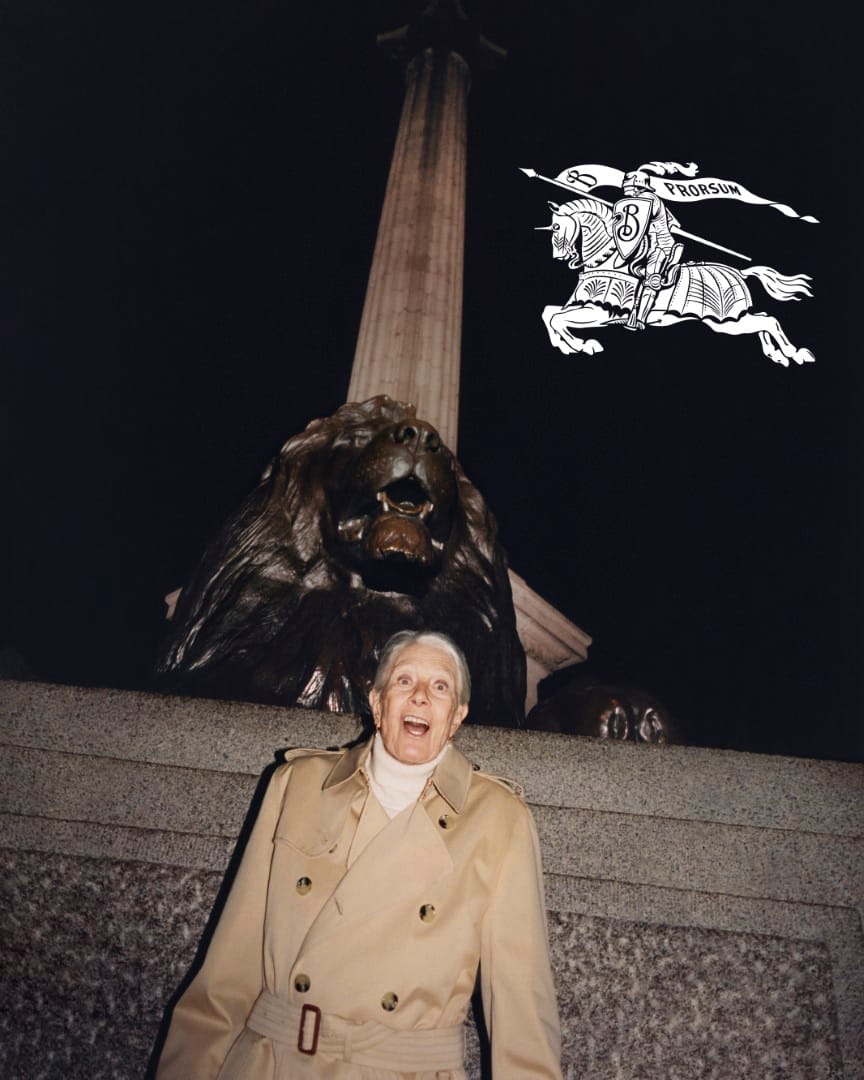
First creative expression of Burberry under Daniel Lee, Burberry AW23 Campaign. Images: Courtesy of Burberry
The digital campaigns on TikTok and Instagram leaned into archetypal British humour, featuring corgis, tea, foggy landscapes and football pitches forming the mise-en-scène for a digital moodboard on national identity.
Lynne Franks, the public relations guru responsible for the first renaissance of London Fashion Week in the 1980s, puts the Brit-factor down to the island theory
“We live on island. It shapes how we view the world” - Lynne Franks OBE, founder of London Fashion Week
It helps there’s an unfathomable reserve of references to plunder. Ian Griffiths, a former club kid from Manchester has been British creative director of successful Italian powerhouse, Max Mara for 40 years. He believes it’s the “twisting of rules”—a distinctly British ability to respect and simultaneously subvert sartorial codes – that is behind the soft power domination of the UK in a kind of fashion spirit.
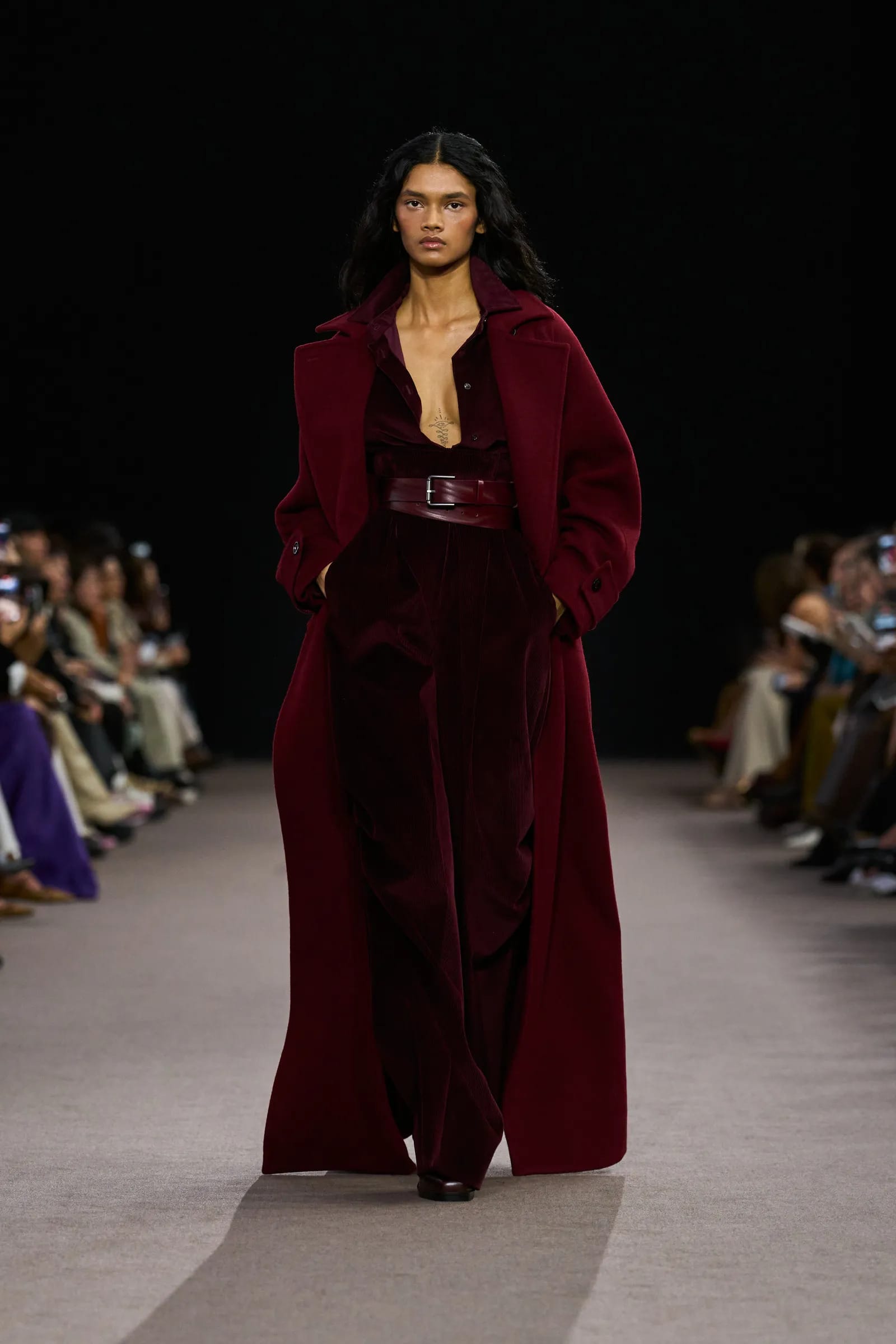
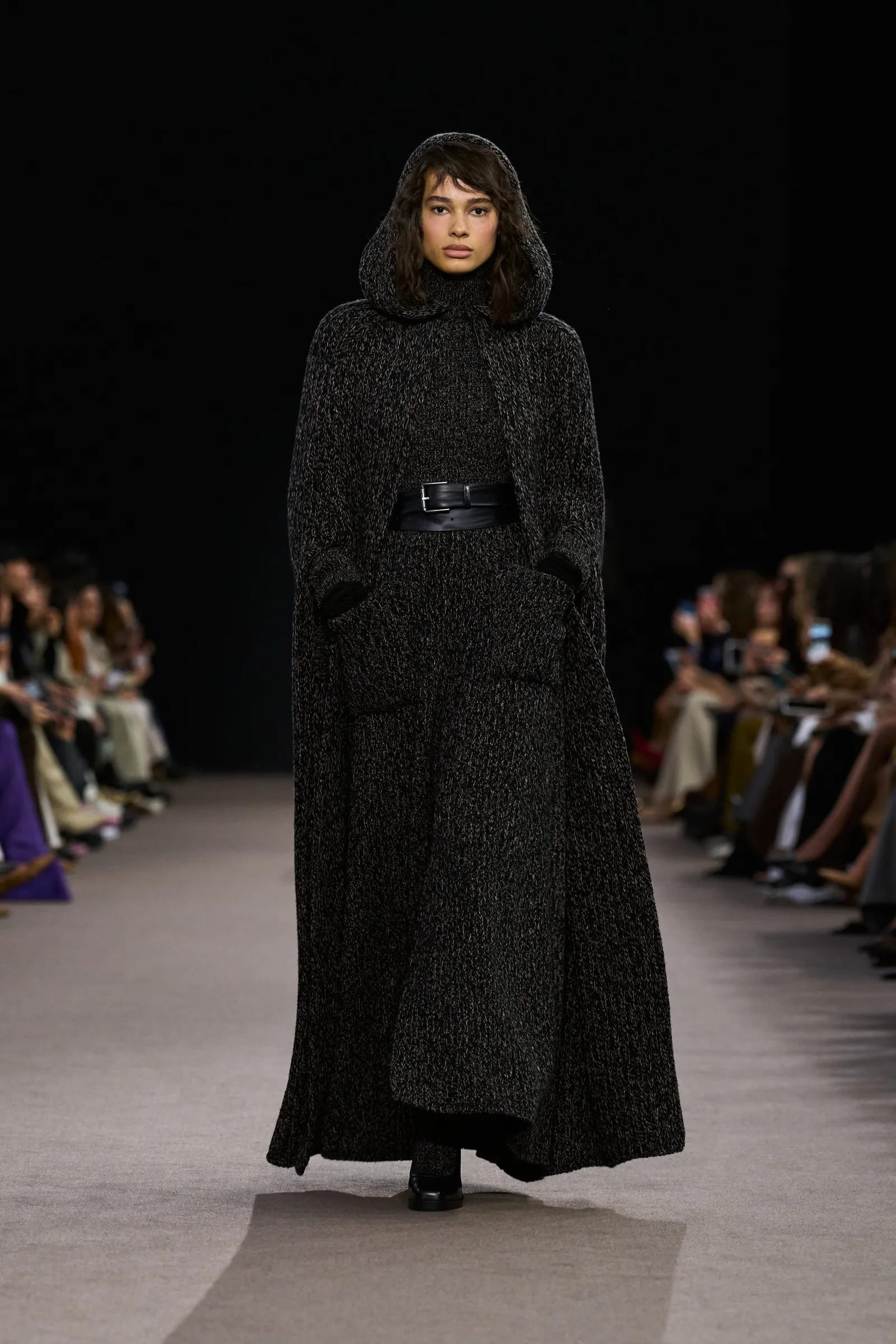
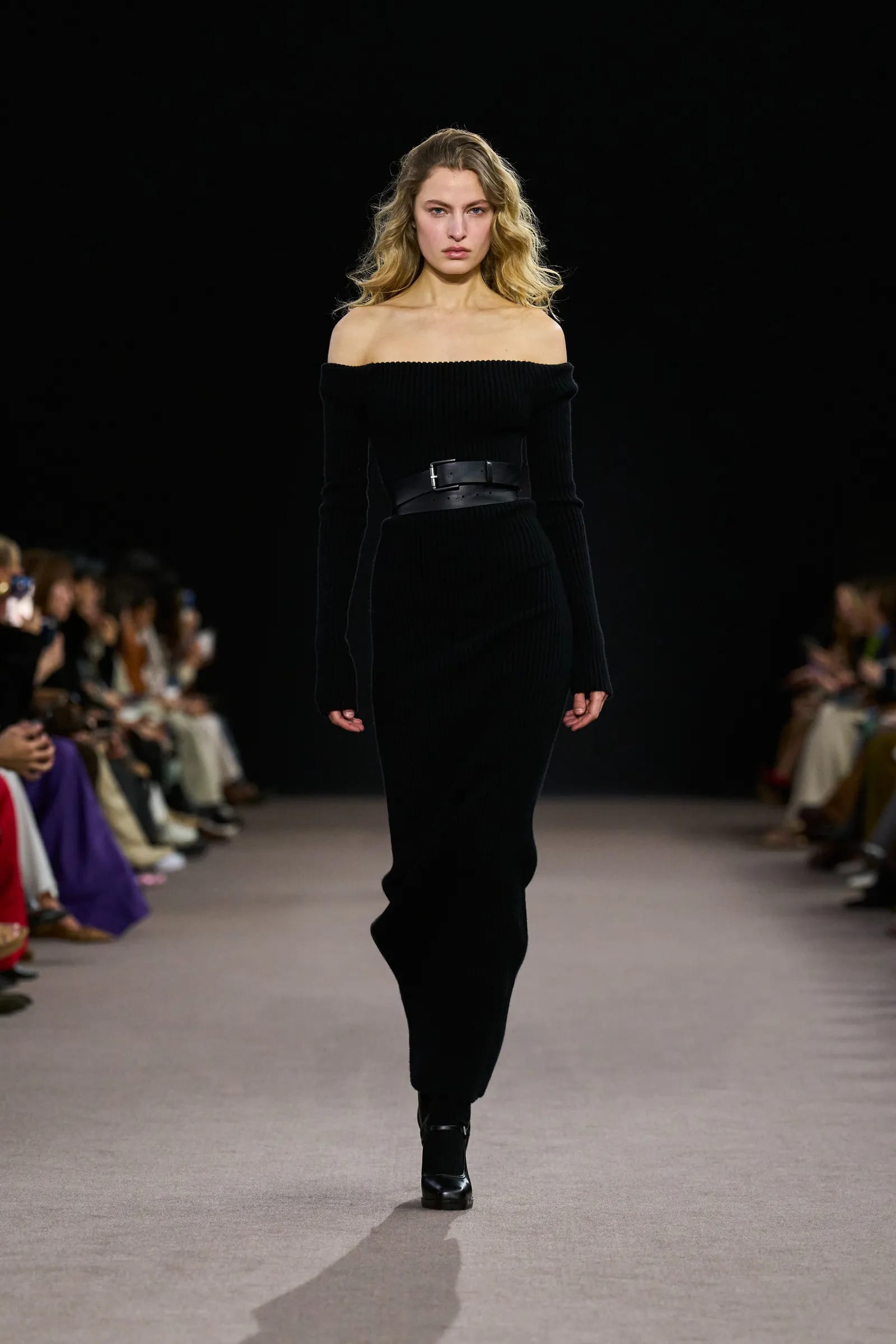
MaxMara AW25 by Ian Griffiths, inspired by The Brontë sisters. Courtesy of MaxMara
Griffiths drew inspiration from two iconic works of English literature—Jane Eyre and Wuthering Heights by Charlotte and Emily Brontë—centering the narrative around their fierce, untamed heroines. To shape the season’s aesthetic, Griffiths also referenced the ethereal portraits of Julia Margaret Cameron, the Victorian-era trailblazer and great-aunt of Virginia Woolf, celebrated for her evocative images of women that blend softness with strength.
Daniel Lee’s references tap the semiotic tension between conservatism and creative disruption, a pattern that could be said to play a part in the global success of British designers who draw on heritage while reimagining it into a contemporary sphere for Gen Z and Gen X customers.
“Britishness is a kind of beauty, a romanticism that’s unique. “It’s not the Valentine’s Day version of romance with hearts and flowers—it can be much darker. Almost gothic. Think of the Brontës—that’s the kind of romanticism I mean. Britishness also means having the freedom to break the rules." - Ian Griffiths, creative director of MaxMara
As capitals in India, China and the Middle East throw their hat into the ring to claim status as a top-tier fashion capital, how will London fare? The city remains a crucible of subcultures, youth-driven trends, and creative risk-taking.
Cultural relevance is enduring. And London’s legacy—if safeguarded—could be its greatest asset in shaping what comes next.